
Activated Carbon – High-Absorption Functional Material for Industrial & Environmental Applications
1.Product Overview
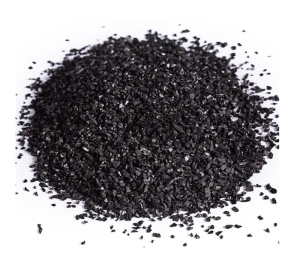
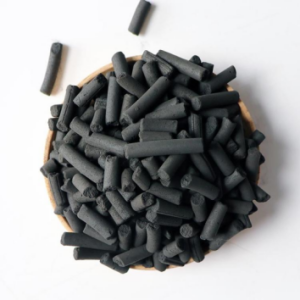
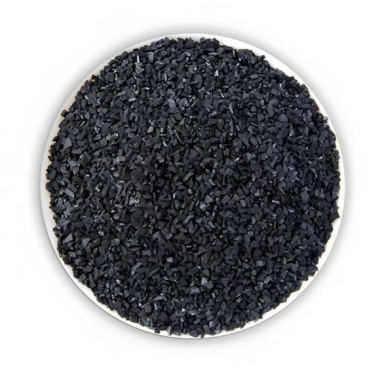
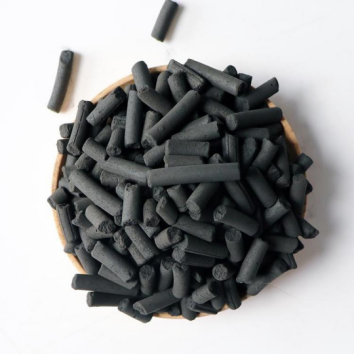
Granular Activated Carbon (GAC) Extruded Activated Carbon (EAC)
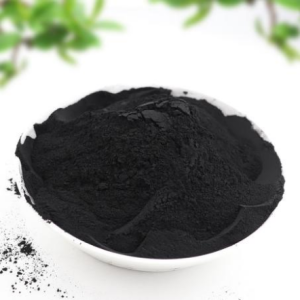
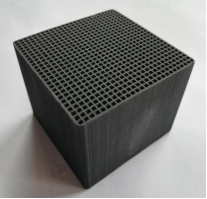
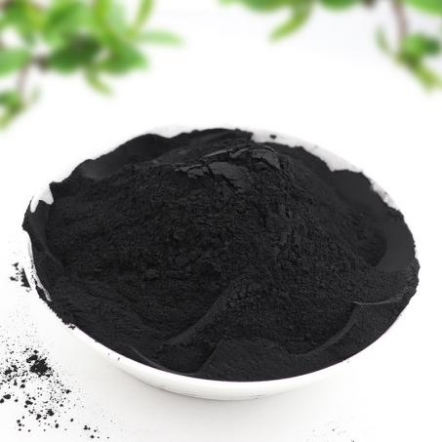
Powdered Activated Carbon (PAC) Honeycomb Activated Carbon
Product Overview
Activated Carbon (CAS No.: 7440-44-0), also known as activated charcoal, is a porous carbonaceous material with an ultra-high specific surface area, strong adsorption capacity, and excellent chemical stability. It is derived from high-quality raw materials (coconut shell, wood, coal, or palm kernel shell) via physical activation (steam/CO₂) or chemical activation (phosphoric acid/zinc chloride) processes. Our activated carbon is produced at advanced facilities in China’s key industrial clusters (Shanxi, Guangdong, Fujian), with customization options for pore structure, particle size, and adsorption performance to meet diverse application needs.
Available in three common forms—granular activated carbon (GAC), powdered activated carbon (PAC), and extruded activated carbon (EAC)—our product meets stringent international standards (GB/T 12496-2015, ASTM D4328-19, ISO 10462-1:2008). Key quality indicators are rigorously controlled: specific surface area ≥1000 m²/g (GAC), iodine adsorption value ≥1000 mg/g, methylene blue adsorption ≥150 mL/g, moisture content ≤10%, and ash content ≤8%. Free from toxic impurities (heavy metals ≤0.001%), it ensures safe and efficient adsorption across industrial, environmental, and food/pharmaceutical scenarios. As a leading Chinese supplier, we leverage China’s abundant raw material reserves (coconut shell from Hainan, coal from Shanxi) and mature activation technology to deliver high-performance activated carbon at competitive prices.
| Type | English Detailed Description |
| Water Purification Activated Carbon | Made from coconut shells/coal, mostly granular, focusing on microporous structure. Used to remove residual chlorine, odors, and organic substances (such as heavy metals and pesticide residues) from water. |
| Air Purification Activated Carbon | Mostly honeycomb-shaped or granular, with modified components added (e.g., loaded manganese dioxide) to enhance adsorption of formaldehyde, TVOC, and PM2.5. |
| Food and Pharmaceutical Activated Carbon | Made from wood/coconut shells, with high purity (no heavy metal residues), mostly powdered. Used for food decolorization (e.g., soy sauce, fruit juice) and pharmaceutical purification (e.g., antibiotic decolorization). |
| ndustrial Activated Carbon | Made from coal or petroleum coke, mostly cylindrical, focusing on mesopores/macropores. Used for flue gas treatment, solvent recovery (e.g., ethanol recovery), and heavy metal wastewater treatment. |
| Emergency Activated Carbon | Examples include activated carbon fibers in gas masks and oral activated carbon for first aid (used to adsorb toxic substances). It is characterized by fast adsorption speed and high safety. |
2.Comprehensive Application Fields
Activated Carbon’s strong adsorption capacity for organic compounds, heavy metals, and odors makes it indispensable across industries:
(1)Water Treatment Industry (Core Application)
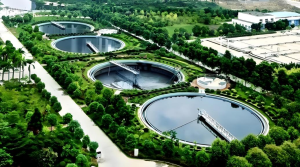
Drinking Water Purification: Granular activated carbon (GAC) is used in municipal water treatment plants and household filters to remove chlorine, disinfection byproducts (DBPs), pesticides, and organic contaminants (e.g., benzene, phenol). It improves water taste and odor, meeting WHO drinking water standards.
Industrial Wastewater Treatment: Powdered activated carbon (PAC) adsorbs dyes (e.g., methylene blue, reactive red) from textile wastewater, heavy metals (lead, mercury, chromium) from electroplating wastewater, and organic solvents from chemical plant effluents. It reduces COD (chemical oxygen demand) by 30-60%, ensuring compliance with discharge regulations.
Wastewater Recycling: Extruded activated carbon (EAC) is used in reverse osmosis (RO) pretreatment systems to remove organic foulants, extending RO membrane lifespan by 2-3 years.
(2) Air & Gas Purification

VOCs & Odor Removal: GAC and EAC are used in industrial exhaust treatment (painting, printing, petrochemicals) to adsorb volatile organic compounds (VOCs, e.g., formaldehyde, toluene) and odorous gases (hydrogen sulfide, ammonia). They are also used in indoor air purifiers and automotive cabin filters to improve air quality.
Gas Separation & Purification: High-purity GAC separates and purifies gases in natural gas processing (removing CO₂, H₂S), biogas upgrading (producing biomethane), and air separation (recovering nitrogen/oxygen). It also captures volatile solvents (e.g., acetone, ethanol) for recycling in chemical production.
Automotive Emissions Control: PAC is added to gasoline and diesel filters to adsorb fuel vapors and reduce hydrocarbon emissions, complying with EU Euro 6 and US EPA Tier 3 standards.
(3) Food & Beverage Industry

Beverage Clarification: PAC is used in beer, wine, fruit juice, and soft drink production to remove pigments (e.g., chlorophyll, tannins), off-flavors, and colloidal impurities. It enhances beverage clarity and stability, extending shelf life without affecting taste.
Sugar Refining: GAC decolorizes sugar syrups (cane sugar, beet sugar) by adsorbing melanin and other colored compounds, producing high-purity white sugar that meets international food standards (FDA 21 CFR 178.3297, EU 1333/2008).
Edible Oil Purification: PAC removes free fatty acids, peroxides, and odor-causing substances from edible oils (soybean oil, palm oil), improving oil quality and oxidation stability.
(4) Pharmaceutical & Healthcare Industry
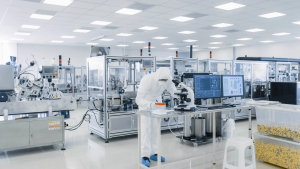
Pharmaceutical Purification: High-purity activated carbon (compliant with USP, EP, BP) adsorbs impurities, pigments, and endotoxins during drug synthesis (e.g., antibiotics, vitamins). It is also used in oral medications to treat drug overdoses and poisoning by adsorbing toxic substances in the gastrointestinal tract.
Medical Device Filtration: Silver-impregnated activated carbon is used in wound dressings and medical masks to inhibit bacterial growth and adsorb wound exudates or airborne pathogens.
Dialysis Systems: GAC filters in hemodialysis machines remove uremic toxins (e.g., urea, creatinine) from patients’ blood, ensuring safe and effective dialysis treatment.
(5)Industrial & Energy Applications
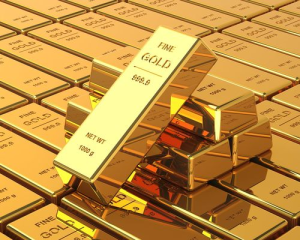
Gold Recovery: GAC is used in the cyanidation process for gold mining to adsorb gold-cyanide complexes from ore leachate. It enables efficient gold recovery (up to 98%) and reduces environmental impact by minimizing cyanide discharge.
Battery Manufacturing: PAC is added to lithium-ion battery anodes to improve electrical conductivity and increase battery capacity. It also enhances charge-discharge cycle life by reducing electrode degradation.
Catalysis Support: Activated carbon serves as a catalyst carrier for petrochemical reactions (e.g., hydrogenation, dehydrogenation) and environmental catalysis (e.g., NOₓ reduction). Its high surface area ensures uniform catalyst dispersion and efficient reaction rates.
(6)Other Applications
Agriculture: PAC improves soil quality by adsorbing pesticides, heavy metals, and excess nutrients (nitrogen, phosphorus) in contaminated soils. It also enhances seed germination and crop yield by regulating soil moisture and nutrient availability.
Cosmetics & Personal Care: PAC is used in facial masks, cleansers, and toothpaste to adsorb oil, dirt, and toxins from skin and teeth. It provides deep cleansing effects without irritating sensitive skin.
Waste Incineration: PAC is injected into flue gas during waste incineration to adsorb dioxins, furans, and heavy metals (mercury, lead), complying with strict environmental regulations (EU Waste Incineration Directive).
3. Package and delivery